About Rotary Furnace
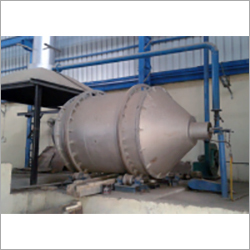
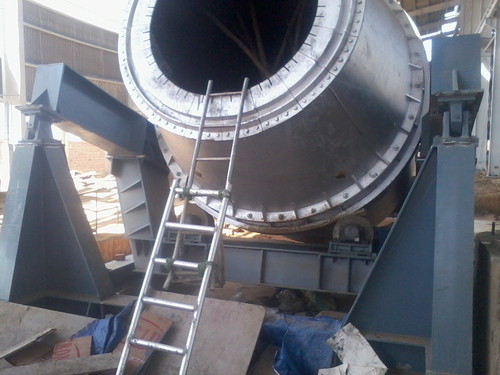
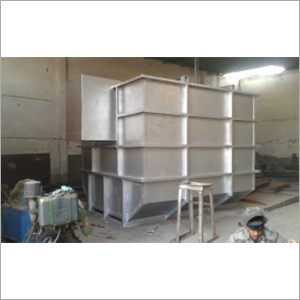
As the scrap recycling is promise business in the industry, Industrial Rotary Tilting Furnace also plays an integral part in the current sector. The versatile design of this furnace improvises the applications related to hydraulic furnace tilting technology. The available range is perfect combination of high functionality and robust construction that is designed in order to provide high thermal efficiency. The manufacturing of this range is dome in accordance with set quality standards. Industrial Rotary Tilting Furnace is regularly inspected on different quality parameters and available at market leading rates.
Features:
- High production rate
- Maximum recovery
- Rust free surface
Efficient Melting for Non-Ferrous MetalsThe rotary furnace is engineered for melting non-ferrous metals such as aluminum, copper, and zinc alloys. Its oil or gas-fired operation delivers a consistent melting process with minimal energy wastage, benefiting foundries and metal processing units alike.
Robust Construction and Modern FeaturesConstructed from durable materials, this furnace boasts a 1000 kg size, 2000 mm width, and 3000 mm length, providing strength and stability during operations. With a power supply of 12000 Watts and 440 Volts, it meets stringent industry standards for safety and performance.
Reliable Performance and Versatile ApplicationsWith a daily throughput of up to 4 tons, the rotary furnace is suitable for large and small-scale applications. Its adaptable design allows seamless integration into new or existing industrial infrastructures, making it a preferred choice for exporters, suppliers, and manufacturers.
FAQ's of Rotary Furnace:
Q: How does the rotary furnace facilitate the melting of non-ferrous metals?
A: The rotary furnace operates by rotating its body, which promotes uniform heat distribution and efficient melting of non-ferrous metals like aluminum and copper. This design reduces energy consumption and ensures a homogeneous melt.
Q: What is the typical usage and application of this rotary furnace?
A: This furnace is primarily used in foundries, recycling plants, and metal casting industries for melting and holding non-ferrous metals, making it suitable for producing ingots or preparing metals for further processing.
Q: When should I choose an oil or gas-fired rotary furnace over other types?
A: Opt for an oil or gas-fired rotary furnace when seeking higher efficiency, lower operational costs, and flexible fuel options, especially in regions where electricity might be inconsistent or expensive.
Q: Where can this rotary furnace be installed?
A: The rotary furnace can be set up in industrial workshops, foundries, and recycling facilities, thanks to its compact dimensions (3000 mm length and width, 2000 mm height) and robust design. It integrates easily into new or existing production lines.
Q: What is the process involved in operating this melting furnace?
A: Operation involves loading non-ferrous scrap or raw material into the furnace, selecting either oil or gas as the fuel source, and starting the automated rotation for efficient melting. Molten metal is then tapped and prepared for further processing.
Q: What are the key benefits of using this rotary furnace model?
A: Key advantages include high melting capacity (4 tons per day), energy efficiency, even heat distribution, rugged construction, and adaptability for various non-ferrous metals, ensuring reliable performance and longevity.





 Send Inquiry

