About Ceremic Screw
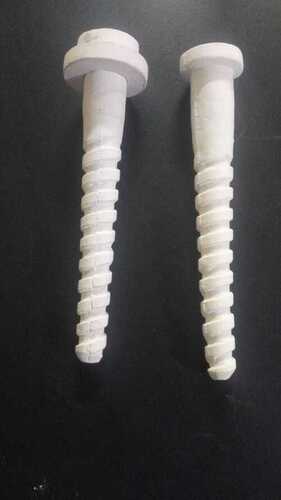
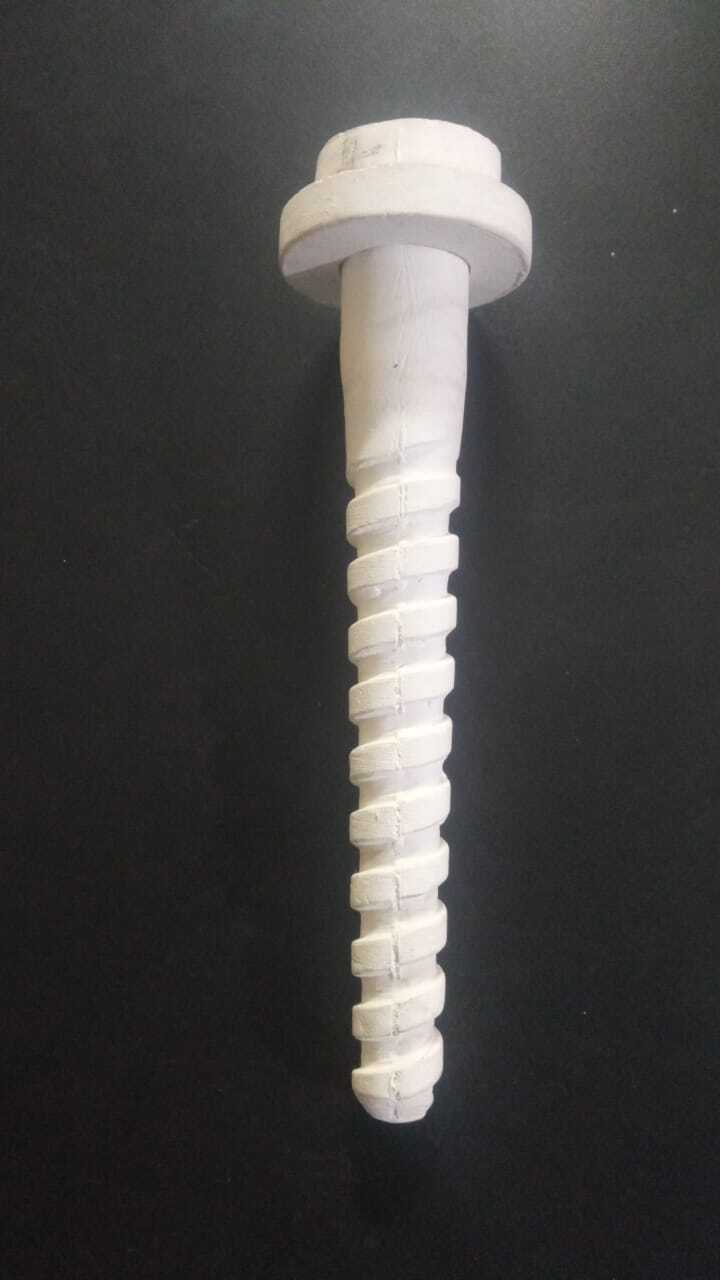
Ceramic screws, nuts, bolts and fastenersdo not conduct electricity, making them suitable for applications where electrical insulation is necessary, such as in electronic devices or high-voltage equipment.Versatile Ceramic Screw for High-Temperature FurnacesEngineered to endure extreme conditions, our ceramic screw finds its place in melting and other industrial furnaces. Its insulating properties, robust structure, and resistance to heat make it indispensable for smooth furnace operations. The product's adaptability and high-grade ceramic construction guarantee exceptional durability in challenging conditions.
Precision Design and Optimal DimensionsStanding at 1.5 inches in height and width, with a 2-millimeter length, our ceramic screw fits precisely in a range of furnace installations. Its compact yet sturdy form ensures reliable functionality where space and material integrity are paramount. Quality manufacturing standards further assure consistent performance.
FAQ's of Ceremic Screw:
Q: How is the ceramic screw used in melting furnace applications?
A: The ceramic screw is fitted within melting furnaces and similar equipment to secure components exposed to high temperatures. Its spring-type design ensures a firm grip and stability, preventing movement or loosening during operation.
Q: What benefits does a ceramic screw provide over traditional metal screws in furnaces?
A: Ceramic screws offer superior resistance to heat and corrosion compared to metal alternatives. They also provide electrical insulation, which is crucial for safety and longevity in furnace environments.
Q: When should I choose a ceramic screw for my furnace setup?
A: A ceramic screw should be selected when dealing with high-temperature, corrosive, or electrically sensitive environments, such as those found in melting furnaces or other industrial furnaces.
Q: Where can I use this ceramic screw besides melting furnaces?
A: Apart from melting furnaces, this ceramic screw can be utilized in numerous high-temperature applications, including heat treatment equipment, kilns, and laboratory furnaces.
Q: What is the typical installation process for the spring-type ceramic screw?
A: The ceramic screw is installed similarly to standard screws, being carefully aligned and screwed into place by applying moderate torque to avoid damaging the ceramic material. Its spring-type design aids in providing consistent tension.
Q: What advantages come from sourcing ceramic screws from an Indian manufacturer, exporter, and supplier?
A: By choosing an Indian manufacturer and exporter, you benefit from globally competitive pricing, quality adherence, and prompt delivery, ensuring seamless integration into your supply chain.





 Send Inquiry

